Keeping students engaged in lessons and classroom activities can prove to be a bit of a challenge as the year wears on and routines become too predictable. As educators, we should plan to include a variety of techniques that lead students to engage with the work in front of them but in innovative ways that encourage excitement and lead to memorable learning experiences. Through hands-on, project-based, and community connections/field trips, teachers can create learning opportunities that will capture students’ attention and allow them to readily apply skills and information that make lessons impactful in purposeful ways. By taking a student-centered approach to teaching, educators can ensure that students will remember the lessons learned long after they’ve moved on from the classroom.
I’ve used all of these strategies with my middle school students – including general education students, English Language Learners, and Students with Disabilities– for the past 10 years, making their learning both relevant and unforgettable! I’ve embraced that active learning can be challenging, but allowing students to put the information into practice leads them to be more engrossed in the lesson and improves learning.
Use hands-on learning to engage kinesthetic learners.

Students love to get their hands on manipulatives, objects, and items they can touch and move. For example, you could try creating a circuit with cables, battery or hand-crank, and fan during a Physics Science lesson; or perhaps cutting and pasting a timeline with pictures during History. Although such an activity could also be as simple as using sticky notes to jot down ideas and move them around to categorize them during an ELA lesson.
Utilize project-based learning to make real world connections.
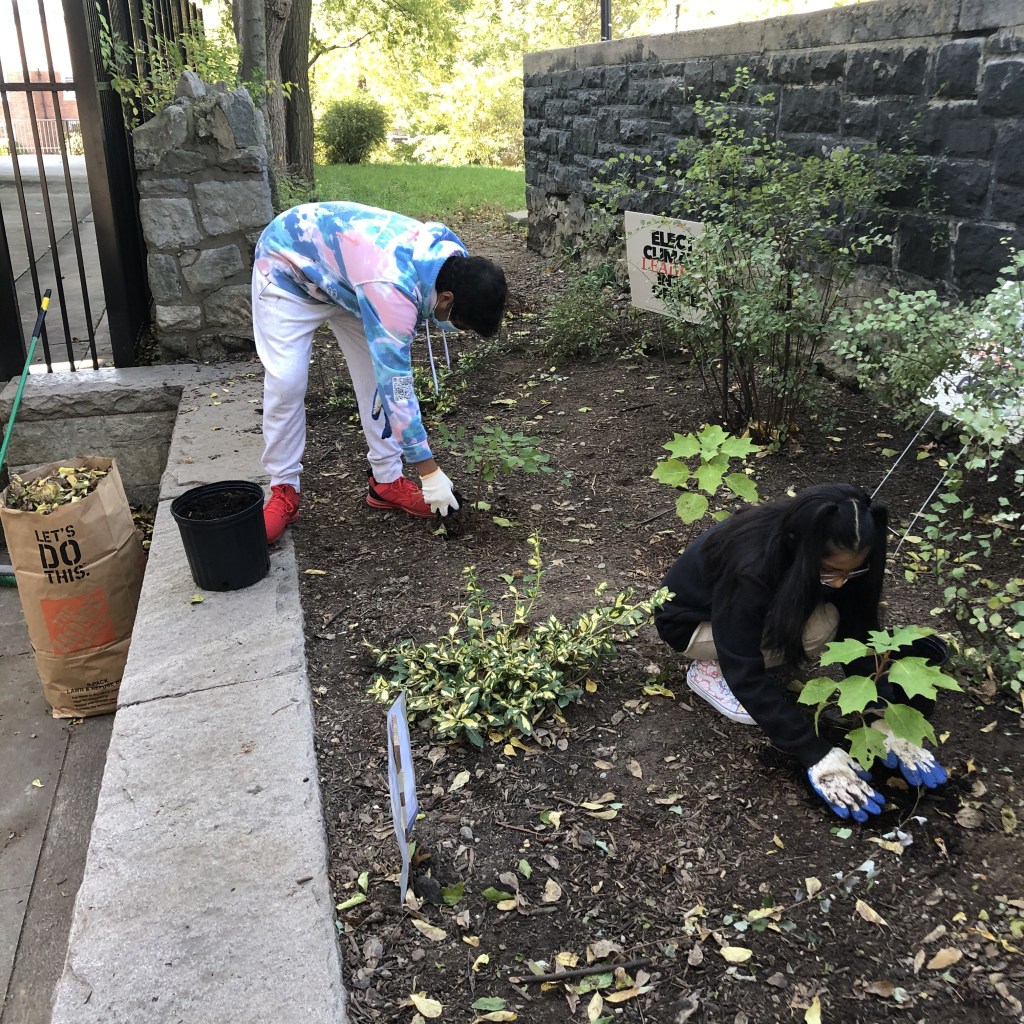
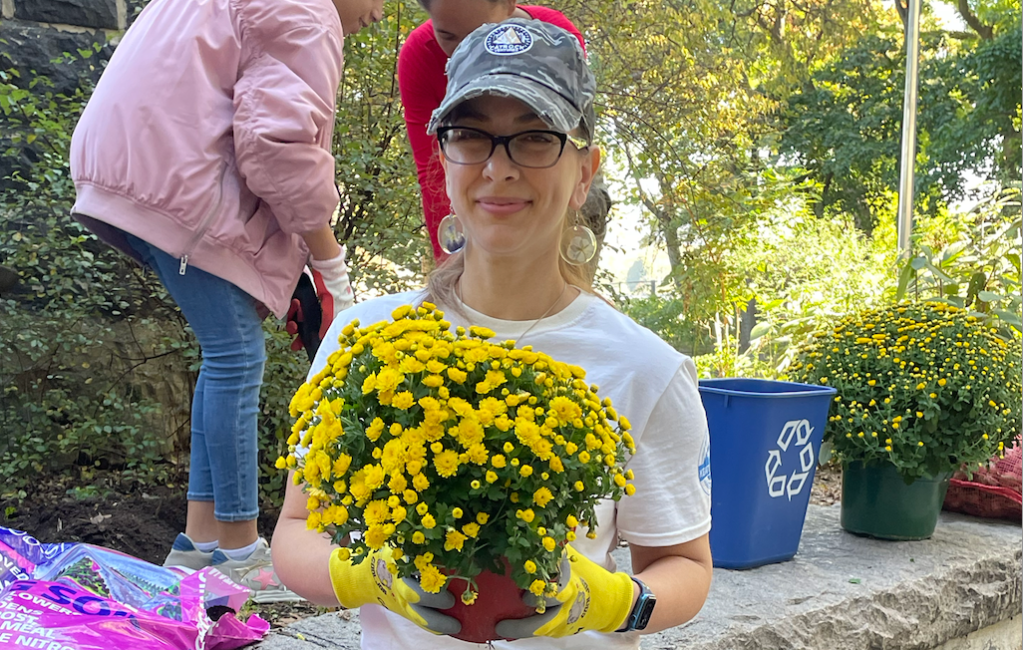
Plan with the end in mind! This allows teachers to think of creative ways to engage the class in practical ways that encompass a variety of skills. After all, students must first learn about the topic, brainstorm ideas, communicate them to peers, refine their thoughts, plan their project, put their plan into action, and finally present their project or findings to the class. For example, the class could work on a Civics project taking action in the community and creating a public service announcement to create awareness about an issue, or they could plant a garden and choose the right type of plants to grow in the soil or area (depending on sunlight available) or season.
Partner with community organizations.
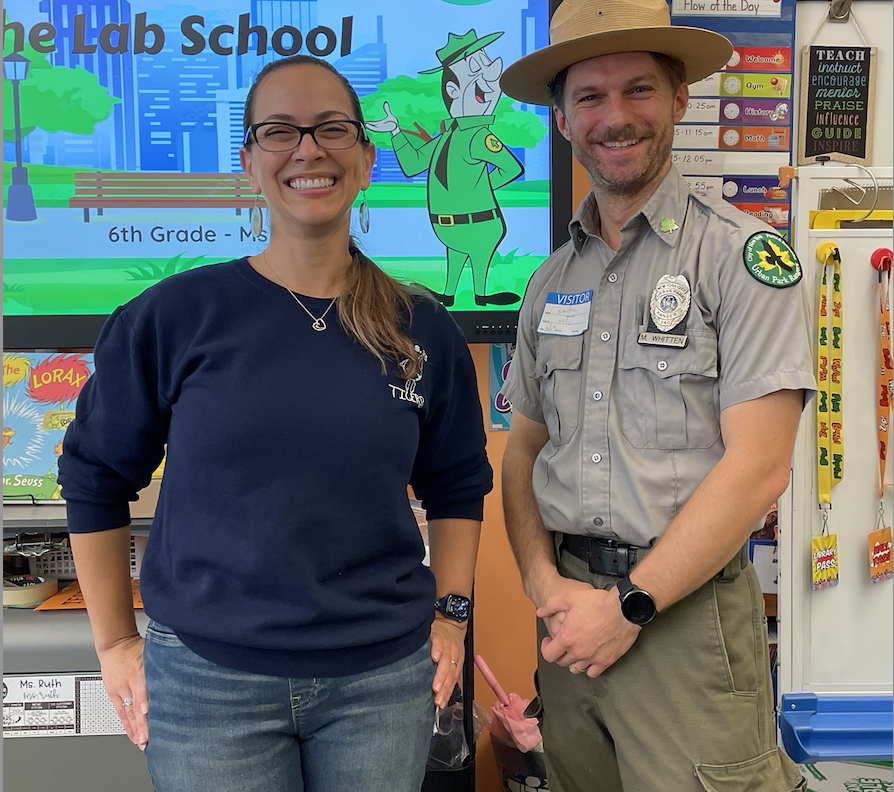
Our communities simply work best when we all acknowledge our interconnectedness and learn to take care of one another. Working with community organizations allows students to connect with people outside of the classroom, possibly with interesting jobs that expose them to new possibilities. For example, I’ve always enjoyed working with the local parks department to learn about local wildlife and ecosystems or history– they usually visit our school to do lessons in the classroom, and afterwards, we schedule visits to our local Nature Center to learn more about the topics. We have also invited our children’s librarian to lead literacy lessons across various grades, so that she is a familiar face once we take students to the local library to get a library card, borrow books, or learn about special programs. I have also had great success with “Skype a Scientist” to connect students with experts in any science field.
Go on field trips to explore cultural institutions.
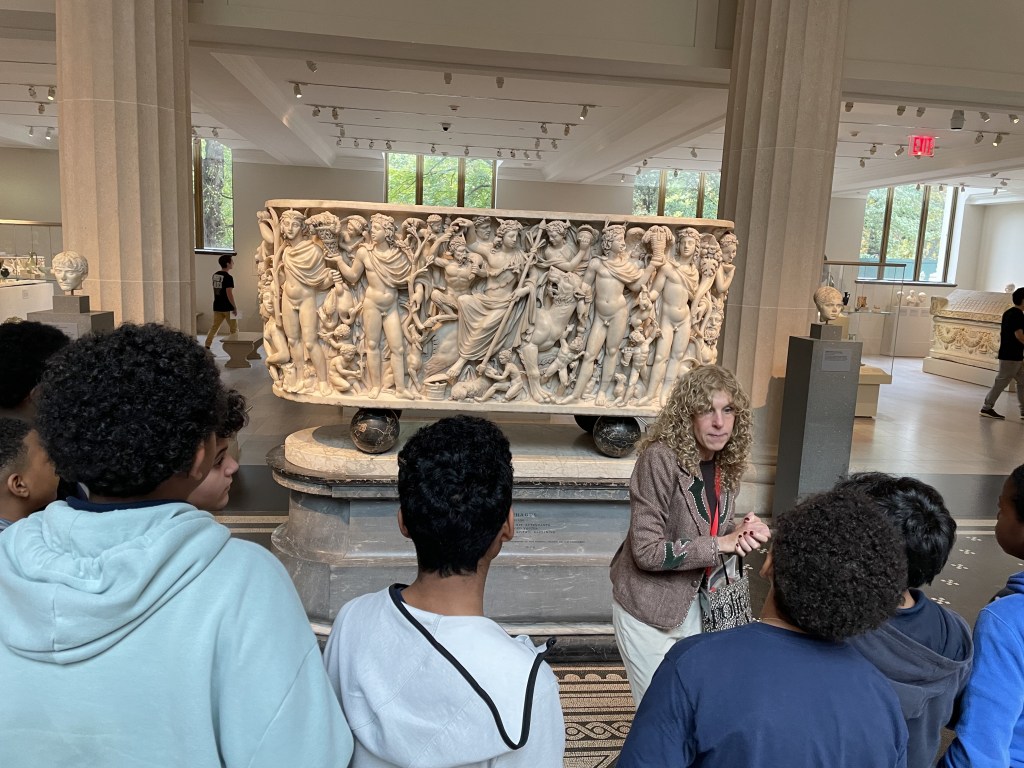
Field trips are by far my favorite way to engage students! They allow the class to leave the building and have adventures together! These adventures provide the necessary connections between the world outside of the classroom and the various topics we learn about in class. They also provide students with experiences that allow them to recognize that they can belong in any setting. Field trips encourage curiosity, while inspiring wonder as students take in a new place, its architecture, structure, artifacts, and people they might not see on a regular basis. For example, we’ve visited museums to learn about connections between ELA and art (such as Percy Jackson/Greek mythology and the Greek & Roman collection at The Metropolitan Museum of Art), and we’ve been to various landmarks to learn about local history and its significance (such as visiting Rockefeller Center to learn about its role during The Great Depression and economic impact, as well as the beautiful views from the observatory; or visit the Statue of Liberty & Ellis Island to learn about immigration).
There are so many ways to make learning more engaging and memorable for students. These experiences have made an impact in students’ academic performance and growth. Using creative and enjoyable lessons, activities, and experiences helps our students become life-long learners with wonderful memories of their time in school!

 Ruthy Writes