Inspiring Action on Climate Through Outdoor Learning

At our K-8 school in the Bronx, we’re all about getting our students involved in caring for the community. Thanks to New Yorkers for Parks and the #DaffodilProject, every student is digging in and planting daffodil bulbs in our local park and tree beds. It’s amazing to see how passionate these kids are about taking care of our green spaces, no matter their age! Meanwhile, our middle schoolers are on cleanup duty, picking up trash and making signs to remind everyone how important it is to keep our parks clean. Why do they do it? Because they learn best when they’re outside!

When the students step out of the school building, you can feel the excitement in the air. They’re buzzing about the bags of mulch and soil, the different plants, and all the tools they’ll be using. They’re curious about how this all ties into our current Science unit. We’ve been diving into climate change and discussing how it affects all of us. Instead of viewing it as a looming disaster, we see it as a challenge we can tackle together. Our outdoor activities give students a chance to connect their learning with real-world issues, and it’s a fantastic way to engage them in making a difference in our neighborhood.
This project has become a yearly tradition for my middle schoolers—whether they’re general education students, English language learners, or students with disabilities. It’s had a big impact on how they see climate change and sustainability, and they look forward to it every year!
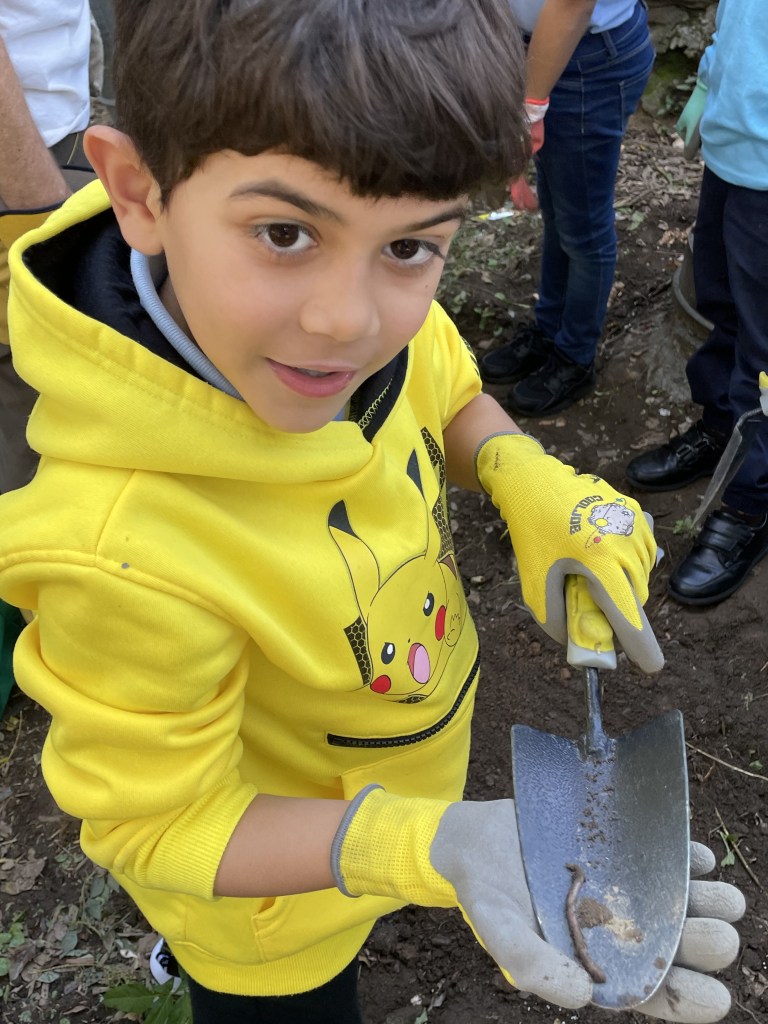
The Benefits of Learning Outdoors
Learning in the sunshine and fresh air is such a great experience! Studies show that students who learn outdoors tend to be more active, focused, and connected to their environment. When we teach about climate change and sustainability in a hands-on way, it really resonates with them. Outdoor learning not only makes the lessons more impactful, but it also fosters a sense of responsibility towards their community.
Sparking Curiosity: Building Awareness About Climate Change
To get started, we need to tap into what students already know about the environment and climate change. We ask questions like, “What’s our environment like—urban, suburban, rural? Have you ever lived somewhere different? What was that like?” These discussions help students connect their experiences and get ready for new information.
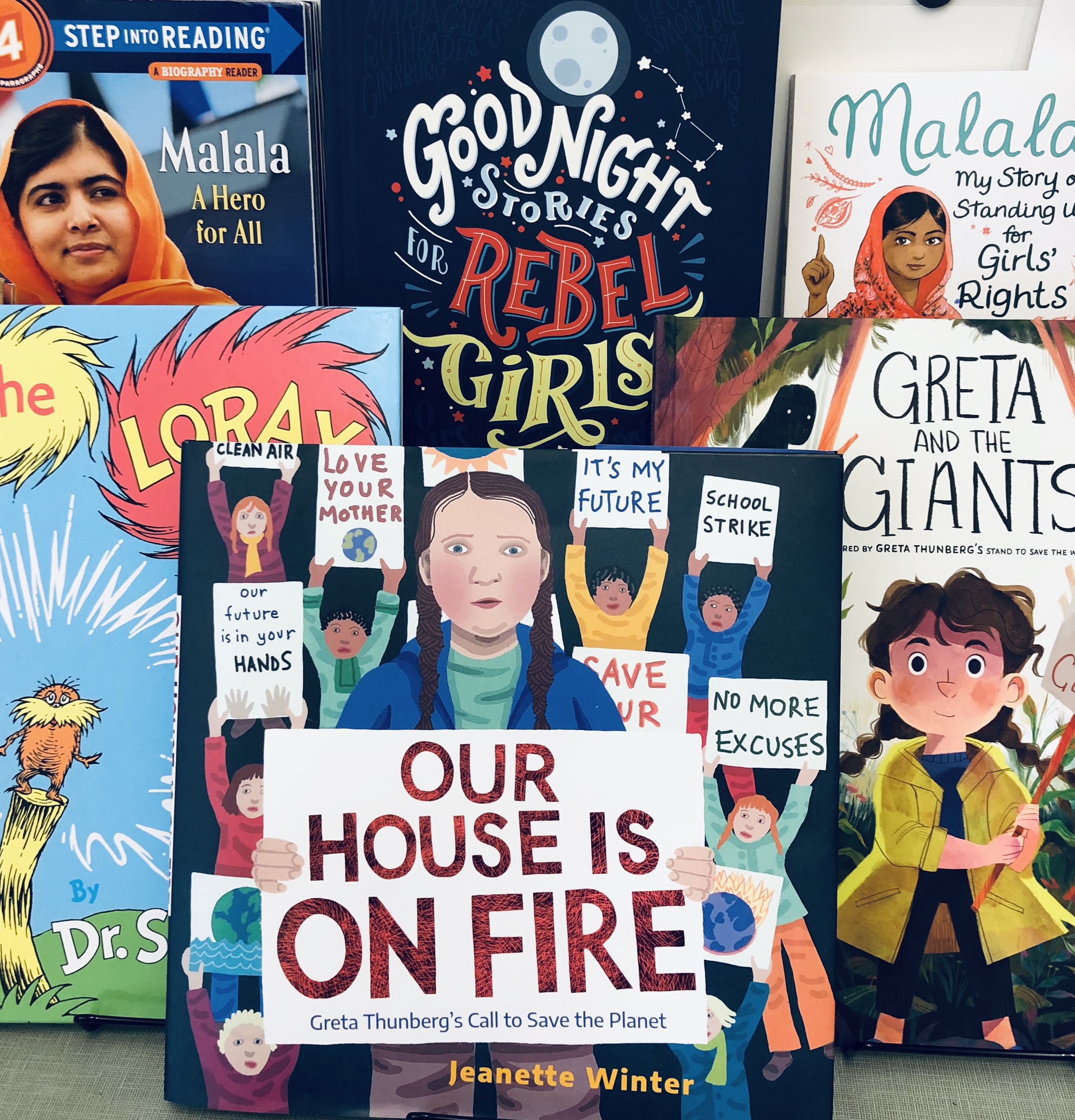
We also love using diverse reading materials—think comic books, picture books, and videos! Some favorites in my classroom include:
- Greta and the Giants by Zoe Tucker
- Our House Is On Fire: Greta Thunberg’s Call to Save the Planet by Jeannette Winter
- The Magic School Bus and the Climate Challenge
- Drawn to Change the World by Emma Reybolds
- Captain Cockroach: The Global Warming Special by Bob Van Starr & Mr. Nicolas C. Johnson
These engaging stories really spark curiosity and help students see their role in the environment.
Encouraging Advocacy
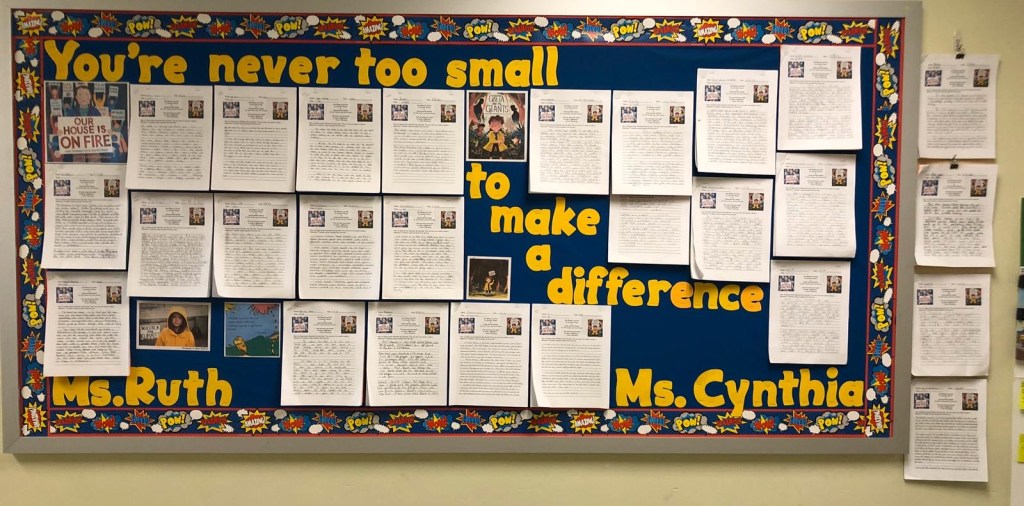
It’s crucial to ask our students how climate change impacts their lives and the lives of those they care about. By sharing their thoughts and experiences, they begin to understand the importance of making changes, no matter how small. We even encourage them to create public service announcements, which lets them use technology and express their creativity. Some students love making posters with catchy slogans to share their message. They really enjoy presenting these during our school announcements!
Getting Hands-On: Planting and Restoration
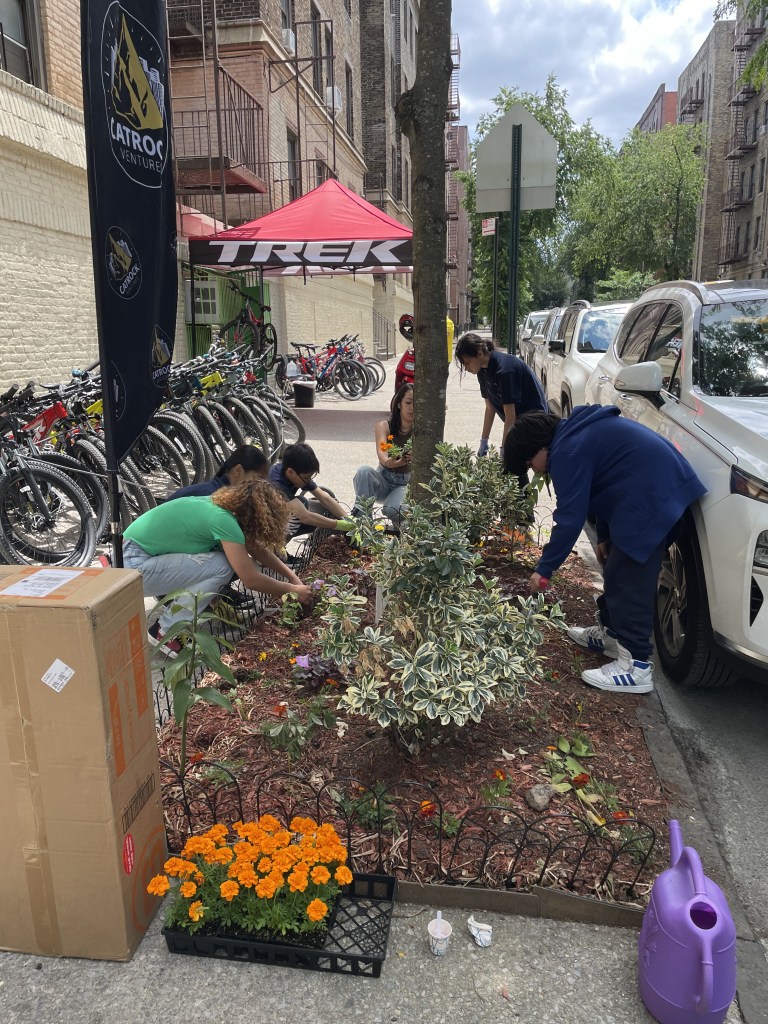
Small actions can create big change! We’ve seen how cleaning up trash and planting flowers can make our neighborhood a more inviting place. When students help restore parks and plant bulbs, they learn what plants need to thrive in their environment. We often get supplies through donations or community organizations, and students take pride in keeping our school grounds clean. It’s a great way to foster a sense of community service, especially as they get ready to apply to high schools.
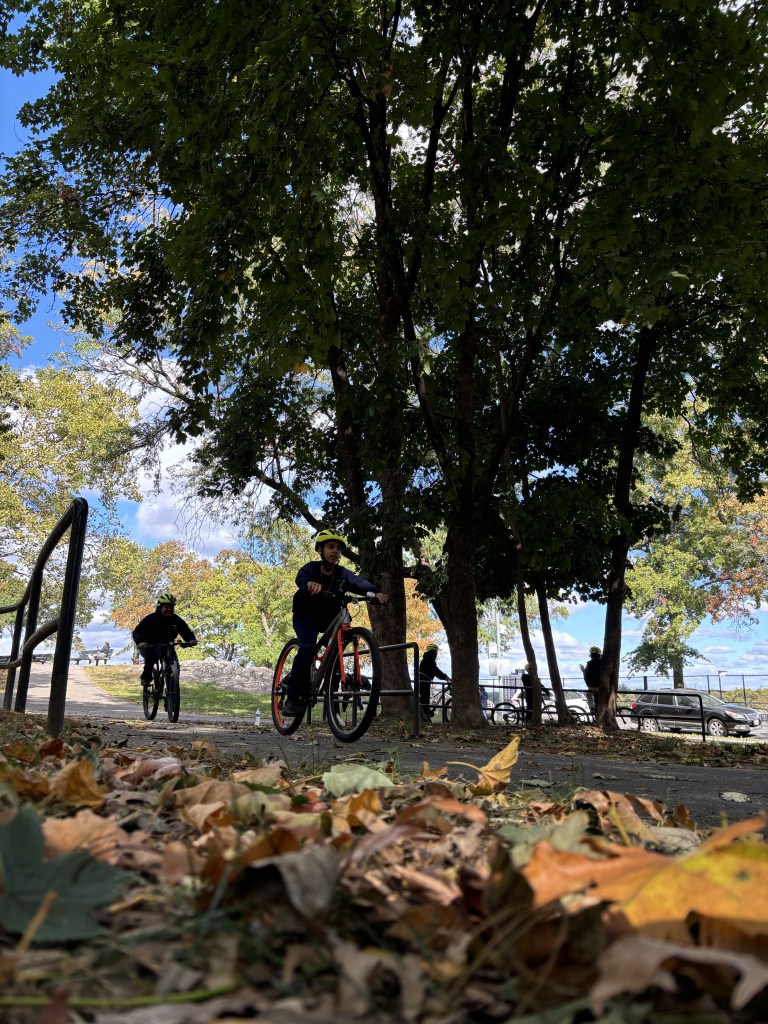
Let’s Get Moving!
Who doesn’t love a bit of movement? We encourage students to think about sustainable transportation—maybe joining a track team or biking instead of driving. There are local organizations that can help with this, too! Teaching students how staying active can also help the planet is a great motivator. By choosing modes of transportation that don’t rely on fossil fuels, they’re not just helping their health but also reducing their carbon footprint.
In Summary
Outdoor learning is such a win-win! It engages students in climate change discussions while allowing them to practice sustainable habits in their community. This hands-on approach suits different learning styles and helps everyone—especially English language learners and students with disabilities—understand the material better. Plus, it fosters teamwork, social interaction, and a sense of responsibility toward their community.
So let’s get outside! Try reading a book about climate change with your class, reach out to a local organization about planting in a park, or organize a neighborhood cleanup. Share your experiences on social media or through school newsletters. Our students care about their future and the planet, and together we can teach them the importance of taking action, one neighborhood at a time!


 Ruthy Writes
Leave a comment